
Commentary
The fan experience doesn't start at the turnstile
Supporters will endure an extraordinary amount to be there. What they will not forgive is being left with nothing when it goes wrong.
7 September 2026 · 7 min read · By Will Line, CEO
There is a moment from the opening weekend of this season that I keep coming back to, and it has nothing to do with the football.
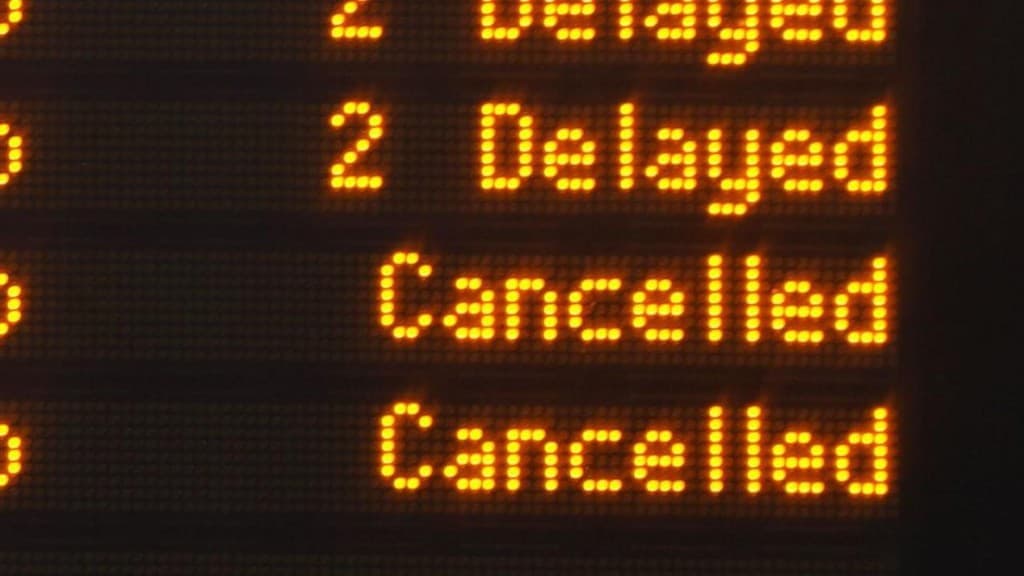
Manchester United were 2-0 down at Hull City. With the game slipping away, the stadium announcer came over the PA to tell the away end that their trains back to Manchester had been cancelled. The home supporters, sensing an open goal, responded with "you're going home in a taxi."
It made for a good clip. But strip out the football chat and look at what actually happened. Several thousand people, who had paid for tickets and travel, taken a day out of their weekend and crossed the country to support their team, found out via a stadium tannoy, in front of a jeering crowd, that they had no way home. Nobody had a plan for them. The information reached them at the worst possible moment, in the worst possible way, and it came with no answer attached.
Contrast that with a scene from the same season on the south coast. Bournemouth supporters, facing a trip to Newcastle, boarded coaches in the early hours of the morning for one of the longest journeys in English football. Nobody made them. They gave up an entire day, most of it sitting on a motorway, for ninety minutes of football and the chance to be in the away end.
Put those two pictures side by side and you have the whole argument about fan travel. Supporters will endure an extraordinary amount to be there. What they will not forgive is being left with nothing when it goes wrong.
The part of the experience nobody owns
Clubs invest heavily in the matchday experience. Concourse flow, food and drink, the big screen, the walk-up music, the app, the atmosphere. All of it is measured, reviewed and improved season after season.
Then there is the journey. For a home fan it might be forty minutes each way. For an away fan at Newcastle or Bournemouth it can be twelve hours out of their day. It is, by a distance, the largest block of time a supporter spends on a matchday, and it bookends everything else. It is also the part of the experience that clubs have historically treated as somebody else's business.
The honest reason is that it genuinely is somebody else's business, at least in part. No club controls the rail network, or the roadworks, or the driver shortage, or the weather. When two trains from Hull to Manchester are cancelled, no football club caused that and no football club could have prevented it.
But here is where I think the sector has drawn the wrong conclusion. Not being able to control something is not the same as not being able to prepare for it. A club cannot stop a train being cancelled. A club absolutely can know, within minutes, that a few thousand of its supporters are about to be stranded, and can reach them before the tannoy does with something more useful than bad news.
What fans actually remember
There is a well-established pattern in customer experience research, sometimes called service recovery: how an organisation responds when things go wrong shapes loyalty more than whether things go wrong at all. Anyone who has worked a matchday knows the football version instinctively. Supporters are remarkably tolerant of delay, cold, queues and defeat. What they remember, and what they repeat, is being abandoned.
That matters commercially as well as morally, because away supporters are the most committed segment a club has. They travel furthest, spend most, renew most reliably and set the tone in the ground. If any group deserves the best-served journey, it is them. In practice they typically get the least-served one, because the away journey sits outside the club's own operation and therefore outside its data.
And that is the second problem. Ask most clubs how their supporters travelled to the last away fixture, how long it took, how many were affected by the disruption, or how many did not travel to the next one as a result, and there is no answer available. Not because nobody cares, but because nobody has the information. What isn't measured can't be planned for, and what isn't planned for becomes a tannoy announcement.
What better looks like
I don't think the answer here is particularly complicated, and none of it requires a club to own a railway.
It starts with five things.
Know how supporters are travelling
Not how you assume they are travelling, but how they are actually getting to and from fixtures. Which routes are they using? Which services are carrying the largest numbers? Where are the obvious points of vulnerability? Without that baseline, it is difficult to know where disruption will have the greatest impact.
Detect problems early
By the time a supporter is standing on a platform looking at a cancelled train, the problem already exists. Clubs need visibility of disruption as it happens, with live transport information feeding into the matchday operation rather than relying on supporters to flag the issue themselves.
Reach the people affected
A blanket tannoy announcement should not be the first time a supporter hears that their journey home has changed. If a particular rail service, coach or route is disrupted, the club should be able to communicate directly with the supporters most likely to be affected, through the app, wallet or channel they already use.
Have an answer ready
That does not necessarily mean having a fleet of emergency coaches waiting outside every stadium. It means agreeing in advance what the response could look like. A later service. A coach option. A shared ride. A safe place to wait. A partner venue staying open longer. Even clear information about the realistic alternatives is significantly better than simply telling thousands of people that their original plan no longer works.
Learn from what happened
Every disruption should make the next response better. How many supporters were affected? Which alternatives did they use? Where did communication break down? What would we do differently next time? The same fixture will come around again. The same travel risks often will too.
Some clubs have already gone a step further and convened fan travel groups bringing together transport operators, local authorities and supporter representatives. That is the model I would expect more clubs to adopt, because it is the practical answer to "influence, not control". You cannot command the network, but you can be in the room with the people who run it, before the fixture rather than after the incident.
The clubs that get this right won't be the ones with the shortest journeys. They will be the ones whose supporters know that if something goes wrong on the way home, somebody at the club already knows, and already has an answer.
Fans don't experience a transport network. They experience a day out. The ninety minutes is only ever part of it.
More articles
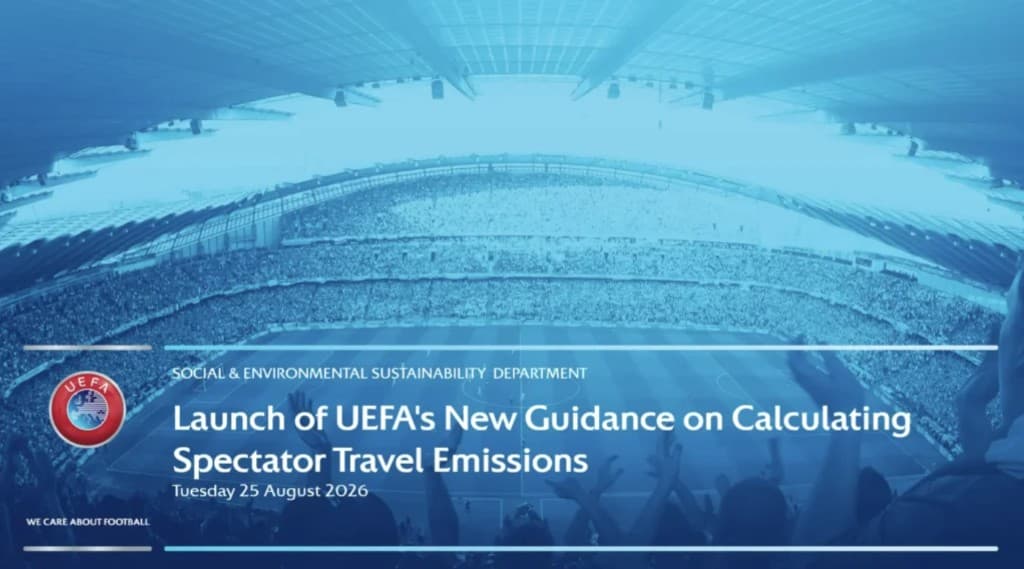
UEFA is helping solve fan travel measurement. What should clubs do next?
A more consistent approach to measuring spectator travel gives football a stronger foundation. The next challenge is turning that data into action, and ultimately changing how supporters travel.
Read article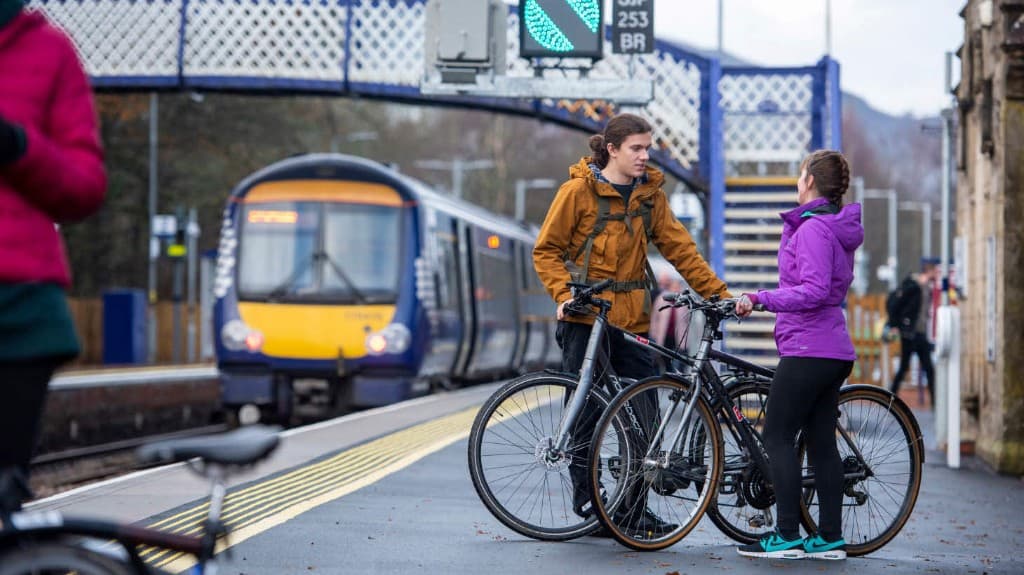
Children's lungs grew faster after ULEZ. What that tells us about behaviour change, and what comes next
The CHILL study closed a loop that policy debates usually leave open. The interesting question is what actually changed.
Read article
The Sporting Events Bill: what it actually means for the people who run events
The way major sporting events plan fan transport is about to get a statutory framework.
Read article

Your smarter
way to move
© 2025 Staxy Ltd.